or

Destination Clover Blend (Coated & Pre-Inoculated)

SKU: Dst-CLR-2

Destination Clover Blend (Coated & Pre-Inoculated)

Price range: $25.40 through $195.00

Description

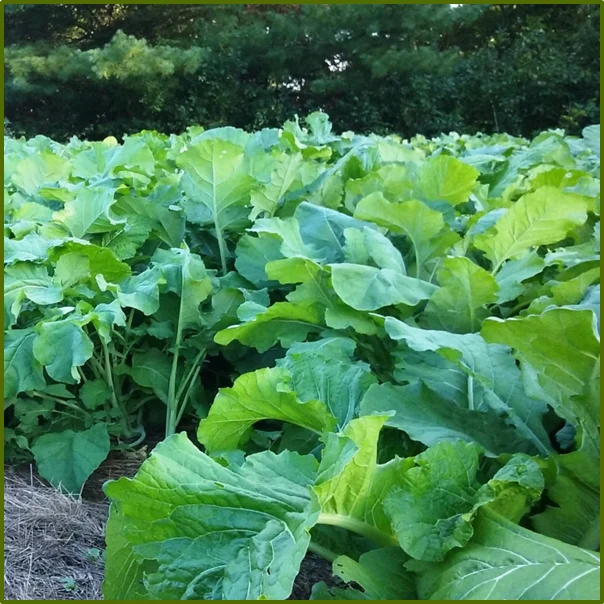
Destination Clover Blend very persistent varieties of Red and White Clovers. A blend of lower growing cool season perennial legumes, with medium leafed intermediate varieties featuring a high number of stolons which spread across the ground and rooting at each node, this growth habit also allows for better withstanding grazing pressure and weather stresses and improved winter hardiness as well as heat and drought tolerance. Destination Blend increases the attractiveness and nutritional value of food plots with autumn growth and resistance to anthracnose, mildew and stem rot. It is very effective for frost and dormant seeding.

  Formulation:   

Durana White Clover

Alice White Clover

Aberlasting White Clover

Freedom Red Clover

Characteristics:

Withstands high grazing

High palatable, nutritious

Good in poor and low light

Fast regrowth from grazing


Soil Types: Well-drained loam firm seed bed with pH of 6 or higher

Maintenance: Low maintenance

Seeding Rate: New: 16-18 Lbs. per Acre

Frost Seeding: 8-10 Lbs. per Acre

Planting Date: Spring, Fall, Frost Seed

Planting Depth: ¼ to ½ inch

Download PDF Download Wildlife Blend Seed Specs >>

Additional information

WeightN/A
Bag Size

3lb Bag, 6lb Bag, 12lb Bag, 25lb Bag

Reviews

There are no reviews yet.

Only logged in customers who have purchased this product may leave a review.

Related Products

Frequently Asked Questions About Our Products

What is the recommended seeding rate and planting depth?
  • Planting Depth: Plant seeds 1/4 to 1/2 inch deep into a finely prepared, firm seedbed to ensure proper soil-to-seed contact.

  • Seeding Rate: Broadcast or drill at 10–12 lbs per acre for pure stands, or 4–6 lbs per acre when incorporating into forage or pasture mixes

  • Ideal pH: Thrives best in soils with a pH ranging from 6.0 to 7.0.

  • Soil & Fertility: Prefers well-drained to moderately drained soils rich in phosphorus and potassium. Limit heavy nitrogen applications to prevent weed competition.

  • Nitrogen Fixation: Pre-inoculation with host-specific Rhizobium bacteria promotes natural nitrogen fixation, cutting down on synthetic fertilizer costs.

  • Protection & Stand Establishment: The protective coating guards young seedlings against early moisture stress and soil-borne diseases for more uniform germination.

  • Spring Window: Plant from late March through May once soil temperatures reach 50°F.

  • Late Summer / Frost Seeding: A secondary window opens from August through early September. You can also frost-seed by broadcasting onto frozen ground in late winter (February–March).

  • Harvest Timing: Cut for hay or graze at 10–12% bloom to maximize digestibility and crude protein levels.

  • Overwintering: Allow a 4-to-6-week recovery period prior to the first hard autumn frost so plants can store root reserves for winter survival.